
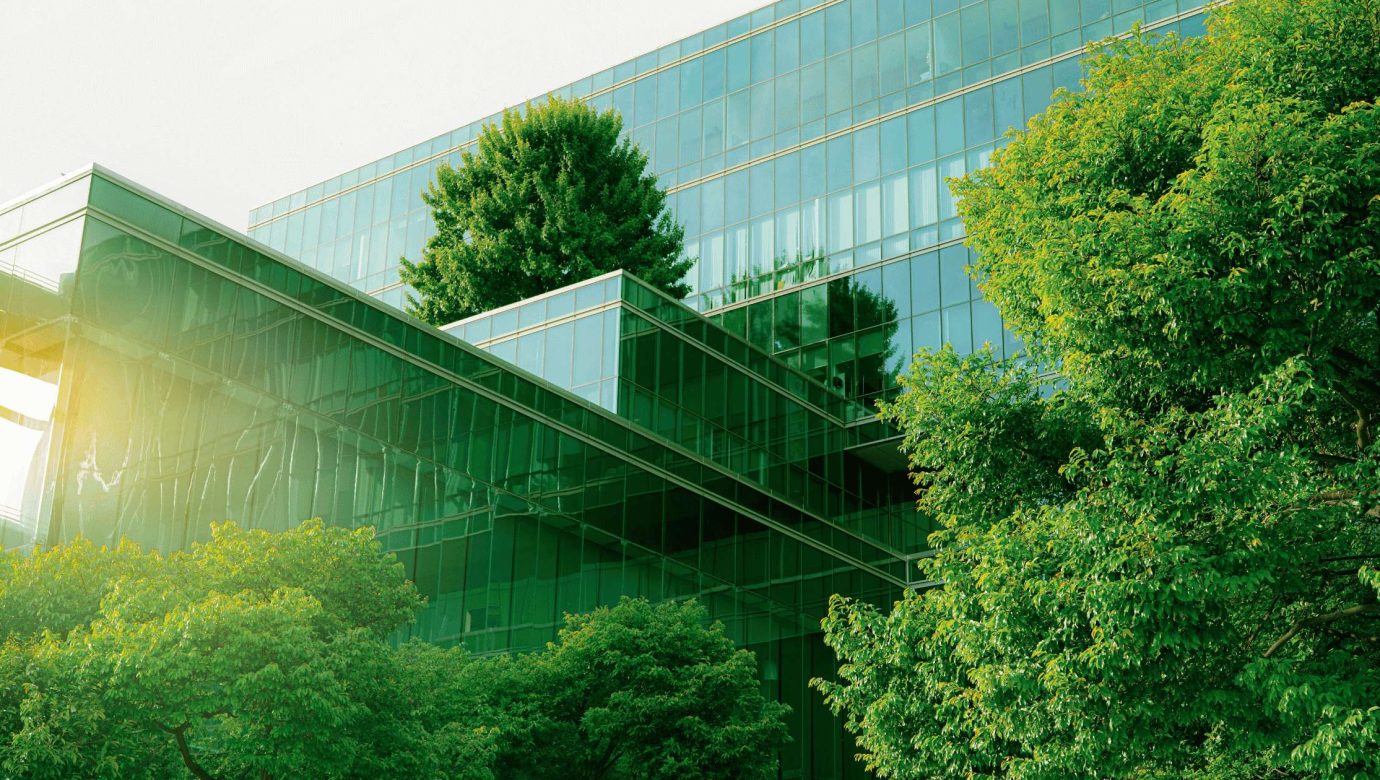
The Future of Sustainable Engineering and Infrastructure Development in Nigeria
Nigeria is undergoing a significant transformation in infrastructure development, driven by rapid urbanization, population growth, and increasing demand for reliable transportation, energy, water, and industrial systems. As these demands grow, the focus is gradually shifting from traditional construction methods to more sustainable, efficient, and environmentally responsible engineering practices.
Sustainable engineering is no longer optional—it is essential for long-term national development, economic stability, and environmental preservation. This article explores the future of sustainable engineering and infrastructure development in Nigeria and the role companies like SEFTOP Engineering Limited play in shaping that future.
Understanding Sustainable Engineering
Sustainable engineering refers to the design, construction, and operation of infrastructure in a way that minimizes environmental impact while maximizing efficiency, durability, and social benefit. It integrates environmental protection, resource efficiency, and long-term planning into every stage of a project lifecycle.
In Nigeria, this means developing infrastructure that not only meets current needs but also preserves resources and ensures resilience for future generations.
Key Drivers of Sustainable Infrastructure in Nigeria
1. Rapid Urbanization and Population Growth
Nigeria’s growing population continues to place pressure on cities, roads, housing, water systems, and energy infrastructure. This has created a need for smarter engineering solutions that optimize space, reduce waste, and improve service delivery.
2. Climate Change and Environmental Challenges
Issues such as flooding, erosion, desertification, and coastal degradation are becoming more severe. Sustainable engineering provides solutions such as improved drainage systems, erosion control structures, and climate-resilient infrastructure designs.
3. Government Policies and Infrastructure Reforms
There is increasing emphasis on public-private partnerships (PPPs), infrastructure modernization, and environmental compliance. Engineering firms are now expected to meet higher regulatory and environmental standards in project delivery.
4. Technological Advancement
Modern engineering tools such as Building Information Modeling (BIM), Geographic Information Systems (GIS), and advanced simulation software are improving project planning, design accuracy, and execution efficiency.
The Role of Engineering in Sustainable Development
Engineering is at the center of sustainable development. From roads and bridges to water systems and energy infrastructure, engineers are responsible for ensuring that projects are safe, durable, cost-effective, and environmentally responsible.
Key areas of impact include:
- Transportation systems that reduce congestion and emissions
- Water supply and sanitation systems that improve public health
- Energy-efficient infrastructure that reduces operational costs
- Environmental engineering solutions that protect ecosystems
- Mining and resource development with reduced ecological disruption
Challenges Facing Sustainable Infrastructure in Nigeria
Despite progress, several challenges still exist:
Infrastructure Deficit
There is a significant gap between demand and existing infrastructure, leading to overuse and deterioration of facilities.
Funding Constraints
Many large-scale projects require significant investment, and funding limitations often delay execution or affect quality.
Technical Capacity Gaps
There is still a need for more advanced technical expertise and adoption of global best practices across the industry.
Regulatory Compliance Issues
Ensuring consistent adherence to environmental and engineering standards remains a challenge in some project environments.
The Future of Sustainable Engineering in Nigeria
The future of infrastructure development in Nigeria will be shaped by innovation, sustainability, and collaboration. Several trends are expected to define the next phase of growth:
Smart Infrastructure Development
Integration of digital tools and intelligent systems to monitor, manage, and optimize infrastructure performance.
Green Construction Practices
Increased use of environmentally friendly materials, energy-efficient designs, and waste reduction strategies.
Stronger Public-Private Partnerships
Collaboration between government and private engineering firms will accelerate project delivery and improve quality standards.
Climate-Resilient Design
Infrastructure will increasingly be designed to withstand extreme weather conditions and environmental stressors.
Increased Local Content Participation
Indigenous engineering companies will play a stronger role in delivering large-scale infrastructure projects, reducing dependency on foreign contractors.
SEFTOP Engineering Limited’s Role in Shaping the Future
SEFTOP Engineering Limited is positioned to contribute meaningfully to Nigeria’s sustainable infrastructure future through its multidisciplinary expertise in engineering, construction, environmental management, mining, and consultancy services.
With a team of highly skilled professionals, strategic technical partnerships, and a commitment to international best practices, SEFTOP delivers solutions that combine innovation, quality, and sustainability.
Our approach emphasizes:
- Environmentally responsible engineering design
- Strong Health, Safety, and Environment (HSE) compliance
- Use of modern engineering technologies
- Continuous professional development and innovation
- Client-focused project delivery
We are committed to building infrastructure that not only serves today’s needs but also supports long-term national development goals.
The future of sustainable engineering and infrastructure development in Nigeria depends on innovation, collaboration, and a commitment to responsible practices. As the country continues to grow, the demand for resilient, efficient, and environmentally conscious infrastructure will only increase.
Engineering firms like SEFTOP Engineering Limited have a critical role to play in ensuring that this development is achieved sustainably, efficiently, and with long-term value in mind.
The path forward is clear—build smarter, build safer, and build sustainably.
